Publications
Shaping 21st Public Health in Pakistan
2020
This working paper is a collaborative effort representing views from Tabadlab and across EHI Practices.
There are six core health system components that require targeted investment, along with a strategic reorganization of healthcare delivery and elevation of preventative and promotive healthcare strategies.
Pakistan’s health system has struggled to effectively and efficiently serve the needs of a growing population. Chronic challenges include prioritization, regulation, institutional alignment, and governance. They have combined to produce major gaps in service delivery. Structural shifts in Pakistan’s demographic and disease profile are indicative of the urgent need to reform and reorient healthcare in the country. The Covid-19 pandemic and its impact on the wider public health ecosystem, the economy, lives, livelihoods, and wellbeing of people and communities across the country only reinforces the need for a strong and resilient public health system; one that provides affordable high-quality healthcare and delivers effective crisis management.
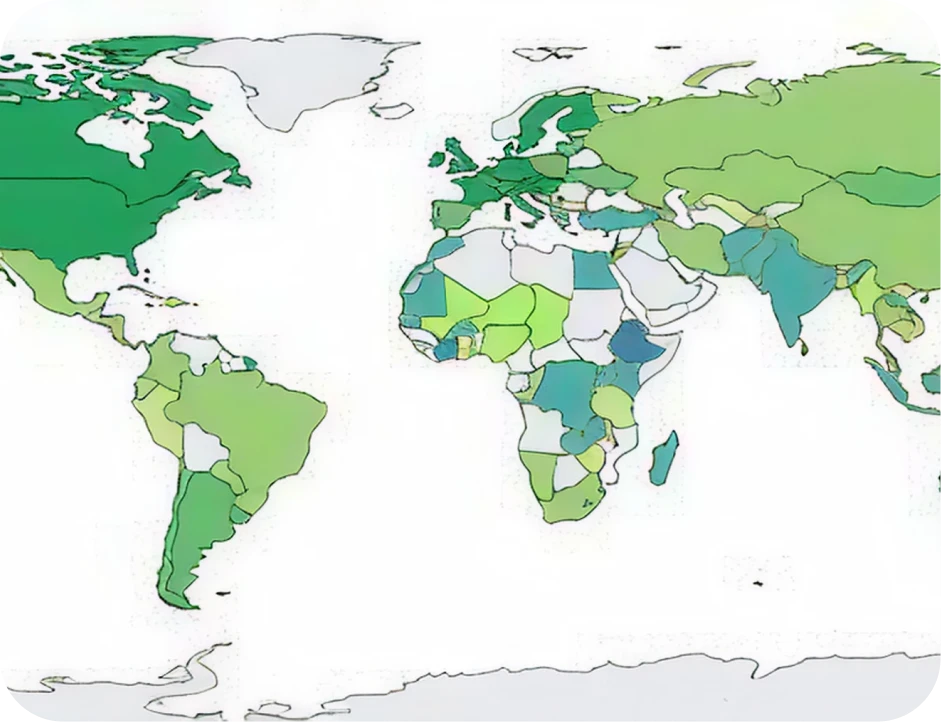
In view of Pakistan’s international commitments to the Sustainable Development Goals (SDGs), and a continually lagging performance in nutrition, infectious diseases, and preventive healthcare, a national focus on Universal Health Coverage (UHC) offers a unique opportunity at the turn of the decade. This paper examines Pakistan’s healthcare system and the emerging health requirements and deficiencies. This analysis is followed by an overview of UHC and its relevance as a framework to improve the country’s healthcare system. The paper then discusses Pakistan’s progress towards UHC and concludes with a transformation roadmap for an improved and effective 21st-century healthcare system that can serve Pakistanis.
The Demand for New Solutions
July 2020
A panel of diverse global experts discusses the current and emerging challenges of public health systems and their demand for new solutions in a post-COVID world.
This is a Tabadlab Policy Roundtable discussion, moderated by Mosharraf Zaidi who is a Senior Fellow at Tabadlab, with the following esteemed participants:
- Dr. Zeina Khouri, Chief Clinical Executive – Clemenceau Medical Center
- Steven J. Thompson, Principal – NorthStar Healthcare Advisors
- Dr. Muhammad Ali Chaudhry, Founder & CEO – EHI
Dr. Dilshaad Ali bin Abas Ali, CEO – Makkah Healthcare, KSA Ministry of Health - Dr. Sara Saeed Khurram, CEO – Sehat Kahani
- Tabadlab Policy Roundtable 12 – The Path to Universal Health Coverage

Addressing Shifting Priorities in Emerging Markets
July 2020
An exploration of how countries can best shape their health systems for improved health outcomes, reduced social inequalities, and a stronger health economy.
This is a Tabadlab interview with EHI CEO, Dr. Muhammad Ali Chaudhry.
EHI CEO, Dr. Muhammad Ali Chaudhry explores Pakistan’s health landscape, and the challenges across emerging markets in general, the changing nature of Pakistan’s public health needs, the opportunities in public health that a pandemic like COVID-19 surfaces, and the potential of the private sector in public health.